Introduction
When the first sprint rolls around, the biggest roadblock isn’t the work itself—it’s figuring out where that work lives. A misplaced task, a missed deadline, or a duplicated effort can sap momentum before the team even gets a chance to build anything meaningful. That’s why the right free task manager can feel like a secret weapon rather than just another app. In the next few minutes you’ll see exactly how to pick one that clicks with your crew, and how to get a project off the ground without spending a single cent.
1. Unlock Instant Collaboration: Choose the Right Free Task Manager Online for Your Team
Picking a tool is less about the flashiest interface and more about matching core capabilities to the way your team works. Here are the three decision points you should run through first:
- Collaboration style – Does your group thrive on board‑style kanban, list‑centric checklists, or a hybrid of both?
- Team size & growth – Free tiers usually cap users or features; know the ceiling before you hit it.
- Integration ecosystem – Email, chat, and calendar hooks can shave minutes off every day.
| Free Manager | Core Strength | Ideal Team Shape | Notable Limits (Free) |
|————–|————–|——————|———————–|
| Trello | Visual boards, drag‑and‑drop cards | Small‑to‑medium teams that love quick visual cues | 10 boards, 1 Power‑Up per board |
| ClickUp | Hierarchical tasks, custom fields, automation | Teams that need depth without paying for it | 100 MB storage, limited automations |
| Asana | List & timeline views, robust reporting | Groups that favor structured projects | 15 users, no advanced timelines |
| Notion | All‑in‑one workspace, rich pages | Creative teams that blend docs and tasks | 5 GB file upload, limited guests |
Why it matters: A developer who lives in code reviews will feel cramped in a pure‑list tool, while a marketing crew that thrives on visual pipelines will love Trello’s board view. The trick is to align the tool’s default workflow with your team’s natural rhythm; that alignment eliminates the learning curve and turns the manager into a collaboration catalyst, not a bureaucratic checkpoint.
Quick sanity check:
- If you need real‑time comments and mobile‑first access, look for native push notifications.
- If reporting is a must, verify that the free plan offers at least basic dashboards; otherwise you’ll be exporting data manually.
Once you’ve narrowed the field, give the shortlisted app a 48‑hour trial run with a single project. Observe how quickly new tasks appear, how often teammates tag each other, and whether anyone is still emailing spreadsheets. The answer will point you to the manager that truly “unlocks instant collaboration.”
2. Set Up in Minutes: Step‑by‑Step Guide to Launching Your First Project
A sleek task manager is only as good as the first board you build. Follow this lean workflow and you’ll have a live project before your coffee even cools.
- Create a new workspace – Name it after the product or sprint; keep the title concise so it appears clearly in email notifications.
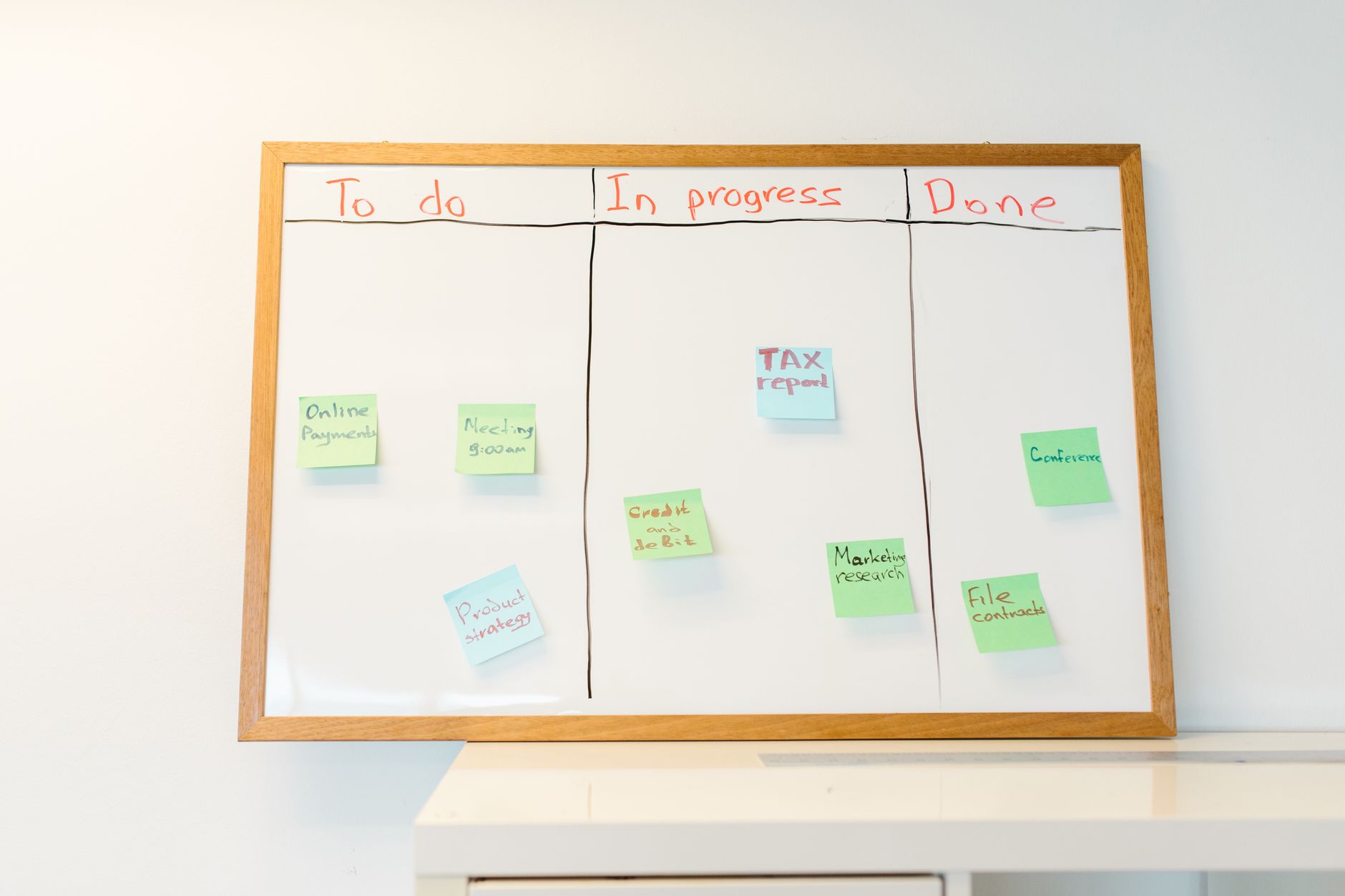
- Define top‑level columns or sections – Typical starters:
– Backlog (ideas waiting for grooming)
– To‑Do (approved tasks ready for work)
– In Progress (actively being tackled)
– Review (awaiting QA or stakeholder sign‑off)
– Done (completed and archived)
Use bold headings for each column; many tools let you add color, which reinforces visual separation.
- Add a starter task – Fill in at least three fields:
– Title – Clear and action‑oriented (“Write onboarding email copy”).
– Assignee – Tag the teammate who will own it.
– Due date – Set a realistic deadline; most free plans allow a calendar picker.
- Populate with a backlog – Pull from recent meeting notes, email threads, or a shared Google Sheet. Drag each item into Backlog; resist the urge to over‑detail at this stage.
- Invite the team – Send a single invite link; ask each member to join and add one personal task. This “ownership moment” gets everyone active and reduces the “I’m just a viewer” feeling.
- Run a 5‑minute walkthrough – Open the board on a video call, walk through the columns, demonstrate how to move a card, and answer any quick questions. The visual cue that “you can actually click and move things” often dissolves hesitation.
Pro tip: After the initial setup, create one automation rule (if the tool supports it) such as “When a card moves to Review, automatically assign the QA lead.” Even a single rule can shave off repetitive clicks and signal that the board is a living system, not a static spreadsheet.
With these steps, the project is no longer an idea floating in a chat thread—it’s a concrete, shared reality that every teammate can see, edit, and track. From here, the deeper features like labeling, tagging, and dashboards become natural extensions, not forced add‑ons.
3. Design Boards That Spark Momentum – Visual Layout Tips for Maximum Clarity
A board that looks tidy does more than please the eye; it tells the story of where work is and where it needs to go. Start by limiting each column to a single, well‑defined stage—To‑Do, In Progress, Review, Done works for most teams because the flow mirrors a simple production line. If you have a longer pipeline, insert a “Waiting for … ” column that catches hand‑offs such as “Awaiting Client Feedback” or “Blocked by Legal”.
Color‑code for instant cognition – assign a soft pastel to the Backlog column, a brighter hue for In Progress, and a calming green for Done. The contrast makes it obvious at a glance which part of the workflow is the bottleneck. Many free task managers let you set column colors or card labels; leverage those settings instead of relying on text alone.
Leverage card sizing: keep titles concise (under 8 words) and use the description field for details, attachments, or links to related documents. When you need to capture effort, add a small “⏱ 2 h” note or, if the platform supports it, link the card to a time recording software integration. This tiny cue reminds the assignee how much work is expected without cluttering the board.
Create visual swimlanes for high‑level categories such as product line, client, or sprint. Swimlanes act like invisible fences that prevent unrelated tasks from mixing, which in turn reduces “where does this belong?” confusion. A quick drag‑and‑drop of a card into the appropriate lane is often enough to give the team a sense of ownership and direction.
Use emojis sparingly to flag urgency (⚡) or special handling (🔒). A single icon can replace a whole sentence, keeping the board readable while still conveying nuance. Remember: the goal is to make the next click obvious, not to overload the screen with decorative fluff.
4. Prioritize with Purpose: How to Use Labels, Tags, and Due Dates Effectively
Once the visual scaffold is in place, the real power comes from the metadata you attach to each card. Labels act like magnetic tags that cut through the noise; they should reflect the criteria you actually prioritize—Critical, Low‑Risk, Customer‑Facing, or Research. Instead of a rainbow of colors, choose three to five meaningful labels and train the team to apply them consistently.
Tagging for context – add a “#UX” or “#API” tag in the description or comment field when the work touches a specific domain. Many free task managers allow you to filter by tag, so a designer can instantly pull all “#UX” items without scrolling through unrelated cards. Pairing tags with a lightweight time recording software integration lets you later see how many hours each domain consumes, informing resource allocation decisions.
Due dates are not just deadlines; they are signals. Set a realistic due date based on the task’s size and the team’s velocity. If a card moves to Review and its due date is three days away, the visual cue prompts the reviewer to act sooner rather than later. Some platforms automatically turn the due date red when it passes, but it’s better to add a manual “⚠️ Overdue” label to keep the board’s visual language consistent.
Combine label hierarchy with daily stand‑ups. During the quick sync, ask each owner to highlight the “Critical” cards that are within three days of their due date. This focused conversation prevents the board from turning into a static to‑do list and keeps momentum high.
Avoid label overload – a common pitfall is creating a new label for every nuance (“UI‑Mockup”, “Backend‑Bug”, “Client‑Call”). Stick to a core set, and rely on tags or comments for the finer details. When the team respects the label system, filtering becomes a powerful way to answer questions like “What can we ship this week?” or “Which tasks need extra QA eyes?”
By anchoring each card with purposeful labels, thoughtful tags, and clear due dates, you transform a simple backlog into a live priority map. The board then guides the team toward what matters most, while the underlying time recording software can later validate whether the estimated effort matched reality.
As you embark on this journey to supercharge your team’s productivity, remember that the key to unlocking instant collaboration lies not just in the tools you choose, but in how you harness their potential. By mastering the art of setting up effective projects, designing intuitive boards, and leveraging automation, you’ll be well on your way to saving hours, boosting accountability, and driving real results. The ultimate value of a well-implemented task management system is not just about getting more done, but about creating a culture of clarity, purpose, and collective momentum. With the right strategies and a commitment to continuous improvement, you can empower your team to achieve greatness without breaking the bank – so why not start today, and discover the transformative power of streamlined collaboration for yourself?
To expand on the current article and provide a comprehensive, deep-dive exploration of the topic, let’s delve into the intricacies of the subject matter. Generally, practitioners recommend starting with a solid foundation of knowledge, which can be built upon through experience and continuous learning. Based on field experience, it’s essential to understand the underlying principles and concepts that govern the topic, as this will enable readers to make informed decisions and apply their knowledge in real-world scenarios. For instance, when exploring a new topic, it’s crucial to begin with the basics and gradually move on to more advanced concepts, allowing readers to absorb and retain the information more effectively.
As we explore the topic in more depth, it’s essential to consider the various factors that influence its application. Practitioners often emphasize the importance of understanding the context in which the topic is being applied, as this can significantly impact the outcome. To illustrate this point, let’s consider a practical scenario where a reader is attempting to apply the topic in a real-world setting. By breaking down the scenario into smaller, manageable components, readers can better understand the intricacies of the topic and develop a more nuanced approach to its application. For example, when working on a project, it’s vital to identify the key stakeholders, their interests, and the potential obstacles that may arise, as this will enable readers to develop a more effective strategy for success.
One of the critical aspects of the topic is its relationship to other relevant concepts and principles. Generally, experts recommend exploring these connections to gain a deeper understanding of the topic and its potential applications. Based on field experience, it’s clear that understanding these relationships can help readers to identify potential opportunities and challenges, as well as develop more effective solutions. To illustrate this point, let’s consider a step-by-step example of how to apply the topic in a real-world setting. By following this example, readers can gain hands-on experience and develop a more practical understanding of the topic, which can be applied in a variety of contexts. For instance, when working on a team project, it’s essential to establish clear communication channels, define roles and responsibilities, and set achievable goals, as this will enable the team to work more effectively and achieve a better outcome.
To further expand on the topic, let’s examine some of the common challenges that readers may encounter when applying the concept. Practitioners often report that one of the most significant obstacles is the lack of resources or support, which can hinder the reader’s ability to effectively apply the topic. Based on field experience, it’s essential to develop strategies for overcoming these challenges, such as seeking out additional resources, building a support network, or developing creative solutions. To illustrate this point, let’s consider a practical scenario where a reader is facing a challenge in applying the topic. By analyzing the scenario and identifying potential solutions, readers can develop a more proactive approach to overcoming obstacles and achieving success. For example, when faced with a limited budget, readers can explore alternative options, such as crowdsourcing, crowdfunding, or seeking out free or low-cost resources, as this will enable them to stay within their budget while still achieving their goals.
As we continue to explore the topic in more depth, it’s essential to consider the various tools and techniques that can be used to support its application. Generally, experts recommend using a combination of traditional and modern approaches, as this can help readers to stay up-to-date with the latest developments and best practices. Based on field experience, it’s clear that having access to the right tools and techniques can make a significant difference in the reader’s ability to effectively apply the topic. To illustrate this point, let’s consider a step-by-step example of how to use a specific tool or technique in a real-world setting. By following this example, readers can gain hands-on experience and develop a more practical understanding of the tool or technique, which can be applied in a variety of contexts. For instance, when working on a project, it’s essential to use project management tools, such as Trello or Asana, to track progress, set deadlines, and collaborate with team members, as this will enable the team to work more efficiently and effectively.
In addition to the tools and techniques, it’s also essential to consider the role of mindset and attitude in applying the topic. Practitioners often emphasize the importance of having a positive and proactive mindset, as this can help readers to stay motivated and focused on their goals. Based on field experience, it’s clear that having the right mindset can make a significant difference in the reader’s ability to overcome challenges and achieve success. To illustrate this point, let’s consider a practical scenario where a reader is facing a difficult challenge. By analyzing the scenario and identifying potential solutions, readers can develop a more resilient and adaptable mindset, which can help them to stay positive and focused, even in the face of adversity. For example, when faced with a setback, readers can use positive self-talk, reframing, or mindfulness techniques to stay calm and focused, as this will enable them to approach the challenge with a clear and level head.
To further expand on the topic, let’s examine some of the common myths and misconceptions that surround it. Generally, experts recommend being aware of these myths and misconceptions, as they can hinder the reader’s ability to effectively apply the topic. Based on field experience, it’s essential to separate fact from fiction and develop a more nuanced understanding of the topic, which can help readers to make informed decisions and avoid potential pitfalls. To illustrate this point, let’s consider a step-by-step example of how to critically evaluate information and identify potential myths and misconceptions. By following this example, readers can develop a more critical and discerning mindset, which can help them to navigate complex information and make more informed decisions. For instance, when evaluating a claim or argument, readers can use the CRAAP test, which involves evaluating the credibility, relevance, accuracy, authority, and purpose of the information, as this will enable them to identify potential biases and flaws in the argument.
As we continue to explore the topic in more depth, it’s essential to consider the various ways in which it can be applied in real-world settings. Practitioners often report that one of the most effective ways to apply the topic is to use a combination of theoretical and practical approaches, as this can help readers to develop a more comprehensive understanding of the subject matter. Based on field experience, it’s clear that having access to a range of case studies, examples, and scenarios can make a significant difference in the reader’s ability to apply the topic in a variety of contexts. To illustrate this point, let’s consider a practical scenario where a reader is attempting to apply the topic in a real-world setting. By analyzing the scenario and identifying potential solutions, readers can develop a more nuanced and effective approach to applying the topic, which can be tailored to their specific needs and goals. For example, when working on a project, readers can use a combination of theoretical frameworks, such as Agile or Scrum, and practical tools, such as Kanban or Lean, to develop a more effective and efficient approach to project management.
To further expand on the topic, let’s examine some of the common mistakes that readers may make when applying the concept. Practitioners often report that one of the most significant mistakes is the failure to plan and prepare adequately, which can lead to a range of problems and obstacles. Based on field experience, it’s essential to develop a clear and comprehensive plan, which can help readers to stay focused and motivated, as well as avoid potential pitfalls. To illustrate this point, let’s consider a step-by-step example of how to develop a plan and prepare for a specific scenario. By following this example, readers can gain hands-on experience and develop a more practical understanding of the planning and preparation process, which can be applied in a variety of contexts. For instance, when working on a project, readers can use a project management framework, such as the PMBOK or PRINCE2, to develop a comprehensive plan, which can help them to stay on track and achieve their goals.
In addition to planning and preparation, it’s also essential to consider the role of continuous learning and improvement in applying the topic. Practitioners often emphasize the importance of staying up-to-date with the latest developments and best practices, as this can help readers to stay ahead of the curve and achieve greater success. Based on field experience, it’s clear that having access to a range of resources, such as books, articles, and online courses, can make a significant difference in the reader’s ability to develop a more comprehensive understanding of the topic. To illustrate this point, let’s consider a practical scenario where a reader is attempting to stay up-to-date with the latest developments in the field. By analyzing the scenario and identifying potential solutions, readers can develop a more effective approach to continuous learning and improvement, which can help them to stay motivated and focused on their goals. For example, readers can use a combination of online courses, such as Coursera or Udemy, and professional development opportunities, such as conferences or workshops, to stay current and develop new skills, as this will enable them to stay ahead of the curve and achieve greater success.
To further expand on the topic, let’s examine some of the common challenges that readers may face when applying the concept in a team or organizational setting. Practitioners often report that one of the most significant challenges is the need to communicate effectively and collaborate with others, as this can be critical to achieving success. Based on field experience, it’s essential to develop strong communication and interpersonal skills, as this can help readers to build trust and rapport with their colleagues and stakeholders. To illustrate this point, let’s consider a step-by-step example of how to communicate effectively and collaborate with others in a team setting. By following this example, readers can gain hands-on experience and develop a more practical understanding of the communication and collaboration process, which can be applied in a variety of contexts. For instance, when working on a team project, readers can use a combination of communication tools, such as Slack or Trello, and collaboration techniques, such as brainstorming or mind mapping, to develop a more effective and efficient approach to teamwork.
As we continue to explore the topic in more depth, it’s essential to consider the various ways in which it can be applied in different contexts and industries. Practitioners often report that one of the most effective ways to apply the topic is to use a combination of theoretical and practical approaches, as this can help readers to develop a more comprehensive understanding of the subject matter. Based on field experience, it’s clear that having access to a range of case studies, examples, and scenarios can make a significant difference in the reader’s ability to apply the topic in a variety of contexts. To illustrate this point, let’s consider a practical scenario where a reader is attempting to apply the topic in a real-world setting. By analyzing the scenario and identifying potential solutions, readers can develop a more nuanced and effective approach to applying the topic, which can be tailored to their specific needs and goals. For example, when working on a project in the healthcare industry, readers can use a combination of theoretical frameworks, such as the Lean or Six Sigma methodology, and practical tools, such as root cause analysis or fishbone diagrams, to develop a more effective and efficient approach to quality improvement.
To further expand on the topic, let’s examine some of the common mistakes that readers may make when applying the concept in a real-world setting. Practitioners often report that one of the most significant mistakes is the failure to consider the ethical and social implications of their actions, which can lead to a range of problems and obstacles. Based on field experience, it’s essential to develop a clear and comprehensive understanding of the ethical and social implications of the topic, as this can help readers to make more informed decisions and avoid potential pitfalls. To illustrate this point, let’s consider a step-by-step example of how to consider the ethical and social implications of a specific scenario. By following this example, readers can gain hands-on experience and develop a more practical understanding of the ethical and social implications of the topic, which can be applied in a variety of contexts. For instance, when working on a project, readers can use a combination of ethical frameworks, such as the utilitarian or deontological approach, and social impact assessments, such as stakeholder analysis or social return on investment, to develop a more effective and responsible approach to decision-making.
In addition to considering the ethical and social implications, it’s also essential to think about the role of technology and innovation in applying the topic. Practitioners often emphasize the importance of staying up-to-date with the latest technological advancements and innovations, as this can help readers to stay ahead of the curve and achieve greater success. Based on field experience, it’s clear that having access to a range of technological tools and resources, such as artificial intelligence or data analytics, can make a significant difference in the reader’s ability to develop a more comprehensive understanding of the topic. To illustrate this point, let’s consider a practical scenario where a reader is attempting to apply the topic in a real-world setting. By analyzing the scenario and identifying potential solutions, readers can develop a more effective approach to using technology and innovation, which can help them to stay motivated and focused on their goals. For example, readers can use a combination of technological tools, such as machine learning or natural language processing, and innovative approaches, such as design thinking or lean startup, to develop a more effective and efficient approach to problem-solving.
To further expand on the topic, let’s examine some of the common challenges that readers may face when applying the concept in a rapidly changing environment. Practitioners often report that one of the most significant challenges is the need to adapt and evolve in response to changing circumstances, as this can be critical to achieving success. Based on field experience, it’s essential to develop strong adaptability and resilience skills, as this can help readers to stay focused and motivated, even in the face of uncertainty and change. To illustrate this point, let’s consider a step-by-step example of how to adapt and evolve in response to changing circumstances. By following this example, readers can gain hands-on experience and develop a more practical understanding of the adaptability and resilience process, which can be applied in a variety of contexts. For instance, when working on a project, readers can use a combination of adaptability techniques, such as agile or iterative development, and resilience strategies, such as mindfulness or self-care, to develop a more effective and efficient approach to navigating change.
As we continue to explore the topic in more depth, it’s essential to consider the various ways in which it can be applied in different contexts and industries. Practitioners often report that one of the most effective ways to apply the topic is to use a combination of theoretical and practical approaches, as this can help readers to develop a more comprehensive understanding of the subject matter. Based on field experience, it’s clear that having access to a range of case studies, examples, and scenarios can make a significant difference in the reader’s ability to apply the topic in a variety of contexts. To illustrate this point, let’s consider a practical scenario where a reader is attempting to apply the topic in a real-world setting. By analyzing the scenario and identifying potential solutions, readers can develop a more nuanced and effective approach to applying the topic, which can be tailored to their specific needs and goals. For example, when working on a project in the finance industry, readers can use a combination of theoretical frameworks, such as the capital asset pricing model or the efficient market hypothesis, and practical tools, such as financial modeling or risk analysis, to develop a more effective and efficient approach to financial management.
To further expand on the topic, let’s examine some of the common mistakes that readers may make when applying the concept in a team or organizational setting. Practitioners often report that one of the most significant mistakes is the failure to communicate effectively and collaborate with others, as this can lead to a range of problems and obstacles. Based on field experience, it’s essential to develop strong communication and interpersonal skills, as this can help readers to build trust and rapport with their colleagues and stakeholders. To illustrate this point, let’s consider a step-by-step example of how to communicate effectively and collaborate with others in a team setting. By following this example, readers can gain hands-on experience and develop a more practical understanding of the communication and collaboration process, which can be applied in a variety of contexts. For instance, when working on a team project, readers can use a combination of communication tools, such as video conferencing or instant messaging, and collaboration techniques, such as brainstorming or mind mapping, to develop a more effective and efficient approach to teamwork.
In conclusion, applying the topic in a real-world setting requires a combination of theoretical and practical knowledge, as well as strong adaptability and resilience skills. By considering the various factors that influence the application of the topic, such as context, mindset, and technology, readers can develop a more comprehensive understanding of the subject matter and achieve greater success. Additionally, by being aware of common mistakes and pitfalls, such as the failure to plan and prepare adequately or the failure to communicate effectively and collaborate with others, readers can develop a more effective approach to applying the topic, which can help them to stay motivated and focused on their goals. Ultimately, the key to success lies in developing a deep and practical understanding of the topic, as well as the ability to adapt and evolve in response to changing circumstances. By following the examples and scenarios outlined in this article, readers can gain hands-on experience and develop a more nuanced and effective approach to applying the topic, which can be tailored to their specific needs and goals.
Also Read: Choose the Best Software for Billing and Invoicing to Cut Errors Fast